Roof Inspection in Atlanta, GA
Atlanta Roof Master walks your roof, checks the gutters, and hands you a written report on what is failing and what is not. Spring hailstorms and July UV age asphalt shingles fast here, and summer humidity wicks into underlayment long before a ceiling stain shows up. A roof inspection runs about an hour; if you end up needing roof repair or roof replacement, you get a roof estimate you can actually read. Call 4044740372.
Call 4044740372
An inspection starts with your roof pitch, age, and covering. Architectural shingle, three-tab shingle, cedar shake, slate, clay tile, and standing-seam metal panel each fail in their own way, so we read the roof before we quote anything.
On a mid-century ranch, that means checking the roof deck for sag where the rafters meet the ridge beam, and looking at whether the felt or synthetic underlayment under the shingles is still doing its job.
We also check the ice-and-water shield at the eave and whether the drip edge sits correctly at the rake and verge. Water that gets past those layers wicks into plywood or OSB sheathing and starts rot you cannot see from the ground.
What's Included
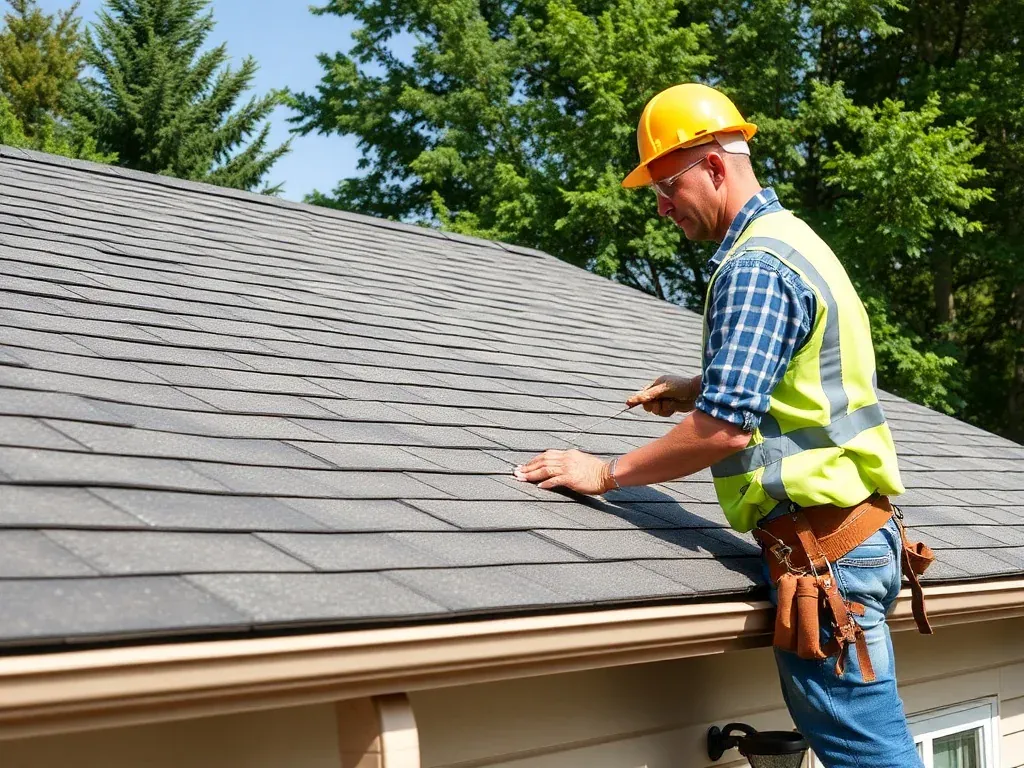
- A full walk of the roof surface, checking the field course for granule loss, cracked shingles, and nail pops that let water past the underlayment.
- Flashing checks at the chimney, sidewalls, and valleys, covering step flashing, counter-flashing, apron flashing, and the pipe boot and vent boot seals that crack under UV.
- An attic look at the roof deck, rafters, trusses, purlins, and joist ends with a moisture meter to catch rot before it spreads through the sheathing.
- Ventilation review of the ridge vent, soffit vent, attic fan, and insulation depth, since an overheated attic cooks shingles from below.
- Gutters, downspouts, fascia, and soffit checked for pull-away, standing water, and the rot that starts behind them.
- Battens, counterbattens, and the substrate beneath them on metal and tile roofs, where fasteners work loose over time.
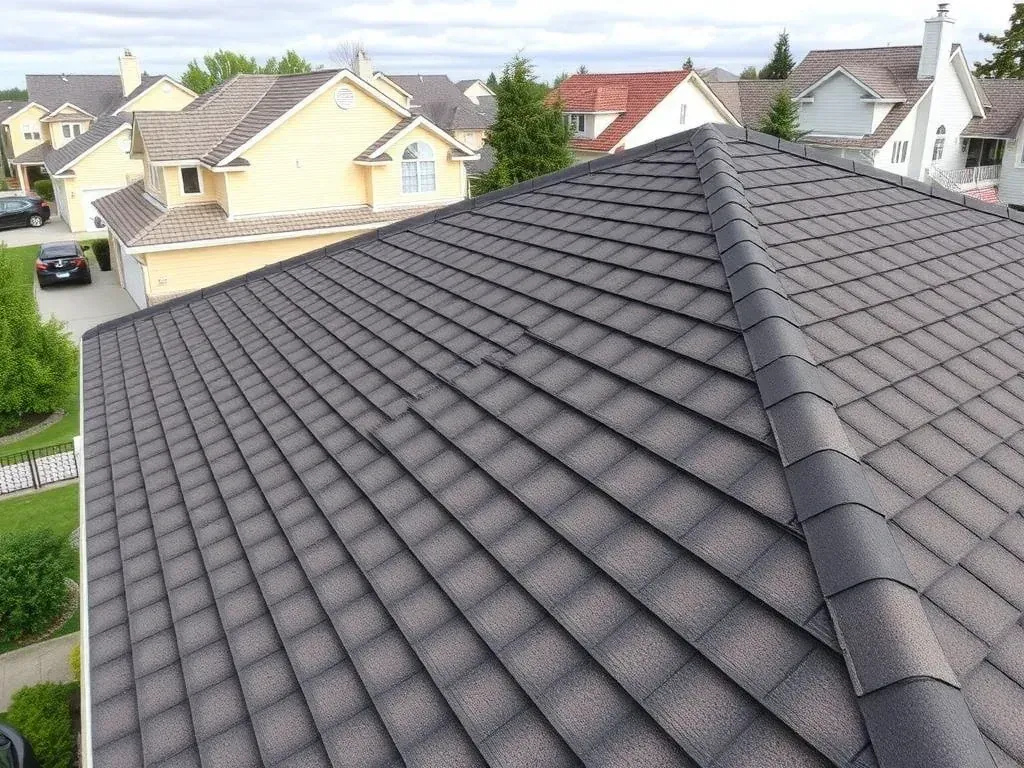
- Drone imagery of steep or high sections plus an infrared scan for trapped moisture you cannot see from a ladder.
- A written report with photos, a roof estimate, and a plain list of what is urgent versus what can wait.
Our Roof Inspection Process
What happens during a roof inspection, start to finish
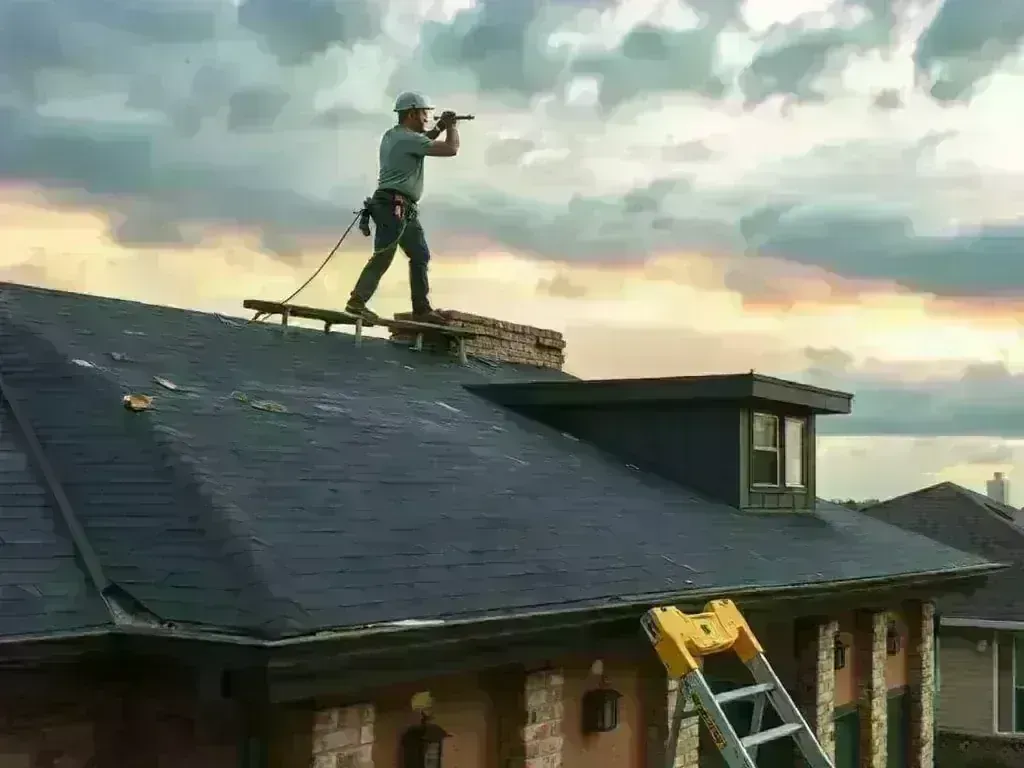
- Ground walk first: we read the pitch, note any sag or water line on the walls, and set the ladder at a safe point.
- Surface pass: from a stable rooftop footing we check every field course and starter course for granule loss, bruising, missing shingle, and open gaps.
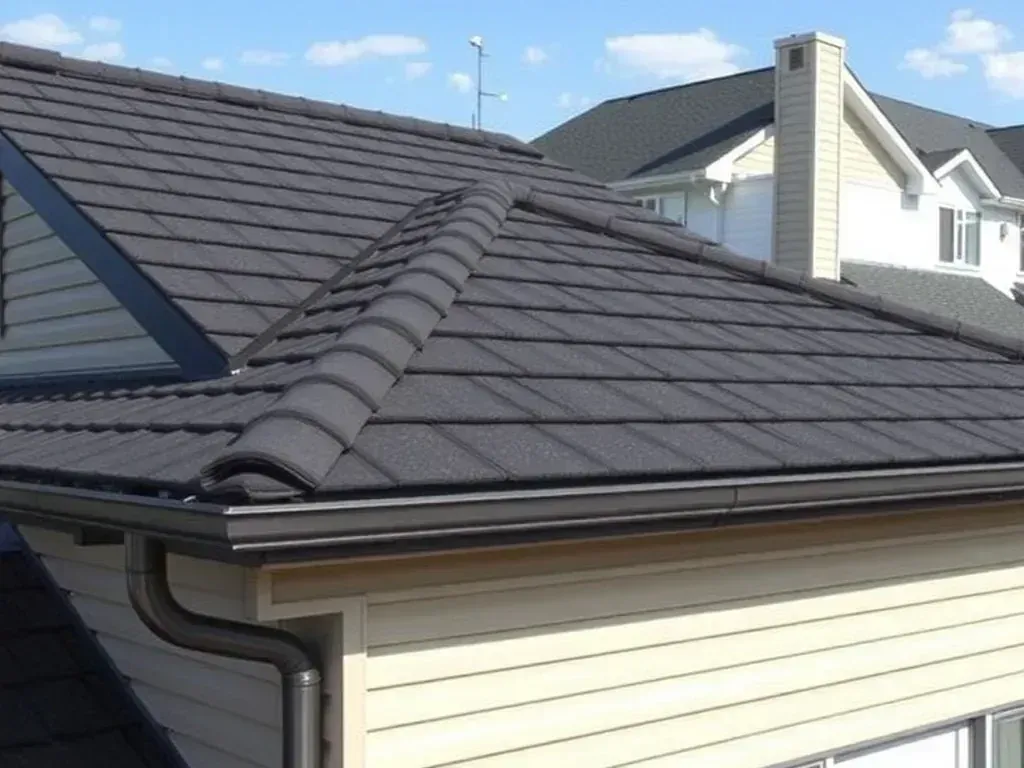
- Detail pass: ridge cap, hip and ridge lines, valley, step flashing, counter-flashing, and apron flashing.
- Penetrations: pipe boot, vent boot, boot flashing, skylight, dormer, and any scupper or coping on a flat section.
- Attic pass: moisture meter readings on the decking, sheathing, rafter, and joist ends, plus ventilation and insulation depth.
- Photo set and written report: drone imagery for anything high or steep, infrared scan for wet spots that have not stained yet.
- Walkthrough and roof estimate: we tell you what is urgent, what can wait, and what a repair versus a replacement actually costs.
Drone & Ground Survey
Aerial imagery plus walk-on inspection of decking, flashing, penetrations, and gutters. Moisture meter and infrared scan where applicable.
Documented Findings
Every issue photographed, mapped to roof zone, and prioritized by severity. No upsell — just the facts.
Written Report
Delivered as a PDF the same day. Suitable for pre-purchase, post-storm, insurance, or annual maintenance records.
Repair Recommendations
If repairs are needed, you get a separate itemized estimate. The inspection report is yours regardless of whether you hire us for the work.
Signs You Need Roof Inspection
Warning signs that mean it is time for a roof inspection
- Black grit in the gutter means granule loss, your asphalt shingle wearing down from hail and summer UV.
- Bruised or dented shingle patches after a spring hailstorm, where hail damage crushes the mat and wind uplift lifts the tabs.
- Ceiling stains or a musty attic smell, which means water is wicking through the sheathing and soaking the insulation.
- Curling, buckling, or peeling shingle edges along the sunny rake and eave.
- Rust or flaking paint around the chimney flashing, valley, or drip edge.
- Daylight showing through the roof deck boards, a sign the felt and underlayment are finished.
- Separated caulk or cracked roof cement around a pipe flashing, skylight, or dormer.
- Ice dam buildup at the eave after a hard freeze, or water ponding on the sagging overhang you can see from the street.
Roof Inspection — Frequently Asked Questions
How long does a roof inspection take in Atlanta?
A roof inspection takes about an hour on a typical ranch or bungalow, longer if we are flying drone imagery over a steep section or running an infrared scan in the attic. The written report lands the same day.
What roofing materials does a roof inspection cover?
A roof inspection covers three-tab shingle, architectural shingle, and asphalt shingle, along with cedar shake, wood shake, slate, clay tile, and concrete tile. Low-slope roofs get checked for TPO, EPDM, PVC membrane, built-up roof, and torch-applied modified bitumen.
Does a roof inspection check what is under the shingles?
A roof inspection opens up the layers: felt, roofing felt, tar paper, and synthetic underlayment all age out, and so does the ice-and-water shield at the eave. We also read the drip edge, the vapor barrier, the substrate, and the waterproofing at wall joints.
What tools does a roof inspection use?
A roof inspection uses a ladder, a scaffold on accessible slopes, and a safety harness on anything steep, plus a roofing square, pry bar, and roofing shovel for debris. Fasteners get checked by hand, including every nail, screw, and anchor on snow guards, canopies, and awnings.
Does a roof inspection cost anything in Atlanta?
A roof inspection and the roof estimate are free, and a written report comes with photos. If you move to a repair, a dumpster and tear-off debris are line items, and we will tell you when a mend is not worth doing.
Can a roof inspection help with an insurance claim?
A roof inspection documents hail damage and wind uplift with dated photos, drone imagery, and a moisture meter log, which is what an adjuster wants to see. We also flag anything that would fail current building code.
When should a roof inspection be scheduled?
A roof inspection belongs on your calendar after a spring hailstorm, before a home purchase, and once a year to maintain the roof. Winter calls are usually ice dam removal, and we handle that by hand rather than steaming. Steam ice off a roof and the shock can crack shingles.
Does roof shape change how long an inspection takes?
A roof inspection moves faster on a simple gable or hip and slower on a steep mansard or gambrel with dormers, skylights, or a parapet. Pitch, access, and the number of penetrations decide the schedule.
Don't just take our word for it — hear from our satisfied customers.
"We called about a stain on the ceiling and braced for the worst. The roof inspection found a failed pipe boot, not a dead roof. They resealed the flashing and the stain has not come back." Dana R., Decatur
"After the April hail, our insurance adjuster wanted photos. The written report and the drone imagery made that argument for us. New architectural shingle went on three weeks later." Marcus T., Smyrna
"They walked the gutters and the attic, showed me where the fascia had started to rot, and never pushed a roof replacement. We did the small repair and set a roof estimate for next spring." Priya S., Alpharetta
Ready to get started? Call us today at 4044740372 for a free estimate.
Free estimates · Licensed & Insured · 25-year warranty
Call 4044740372